webinarBridging the accessibility gap: How LaTeX streamlines the research workflow
Accessibility mandates are here. Learn how LaTeX's automatic PDF tagging helps authors meet them — without the cost and complexity of manual tagging or proprietary software.
Why this matters now
Accessibility requirements for research articles, dissertations, and teaching materials are becoming more rigorous — and it's not optional anymore. The European Accessibility Act (EAA) took effect in June 2025. The U.S. ADA Title II update begins initial compliance for larger entities in April 2027. And publishers are introducing their own accessible publishing guidelines.
For many institutions, meeting these standards has meant expensive proprietary software or hours of manual document tagging. That's starting to change.
In this session, we'll explore how LaTeX — starting with TeX Live 2025 and on — enables automatic PDF tagging, giving authors a faster, more affordable path to accessible documents.

Watch it on demand
Additional resources
Download a PDF of resources mentioned during the webinar.
Meet the speakers:
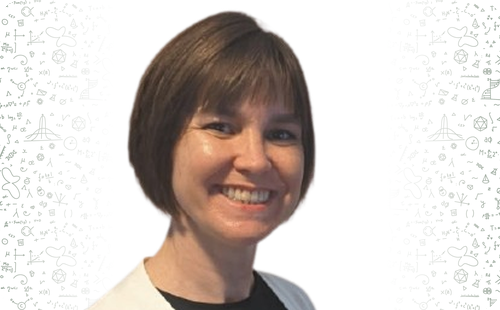
Kristin Terrill
Senior Program Specialist, Graduate College, Iowa State University
Kristin Terrill serves as a Senior Program Specialist in the Graduate College at Iowa State University. Her work advances graduate students' professional development in communication and scholarly activities. She has been recognized with multiple awards, including the Iowa State University Outstanding New Professional Award. Kristin's research, teaching, and service address issues germane to thesis and dissertation publication, generative artificial intelligence, and digital accessibility. She engages in outreach via public speaking, video tutorials, and a podcast aimed at graduate students.
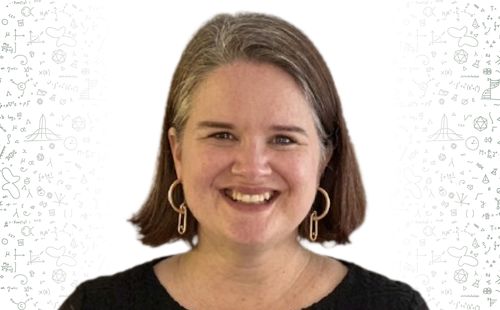
Sara Gonzalez
Senior Training Specialist, Overleaf
Sara Gonzalez serves as a Senior Training Specialist for Overleaf and ReadCube at Digital Science. Her work advances researchers' and graduate students' proficiency in scholarly writing, publishing workflows, and literature management through training content and customer education. She holds a PhD in geophysics from the University of California, Santa Cruz and an MLIS from Florida State University, and spent 17 years as a science librarian at the University of Florida. Sara's research, teaching, and service address LaTeX instruction, digital accessibility in PDFs, emerging technologies in academic libraries, and information literacy for STEM audiences.